
Is replacing your roof as simple as choosing between a flat and a sloped design, or could this one decision mean the difference between long-term savings or unexpected expenses? The debate between flat vs sloped roof replacement isn’t just about looks—it directly impacts your finances, your property’s resilience, and your everyday comfort. This in-depth guide clears up the confusion and reveals which roof style may be the smart investment for your home or business in the heart of Missouri.
Are You Considering Flat vs Sloped Roof Replacement?
Deciding between a flat roof and a sloped or pitched roof replacement is one of the most important choices you’ll make for your property. Whether you’re updating a commercial building in St Charles County or planning roof improvements for your residential home in Lincoln County, this decision affects your budget, curb appeal, property performance, and future satisfaction. Roof style isn’t just about appearance—it determines how well your property handles Missouri’s climate, how much energy you use, ongoing maintenance needs, and the overall cost over time. Understanding the real implications of flat vs sloped roof replacement gives you the power to make a choice that protects your investment for years to come.
- Explore why the question of flat vs sloped roof replacement impacts your budget, your property’s performance, and your long-term satisfaction.
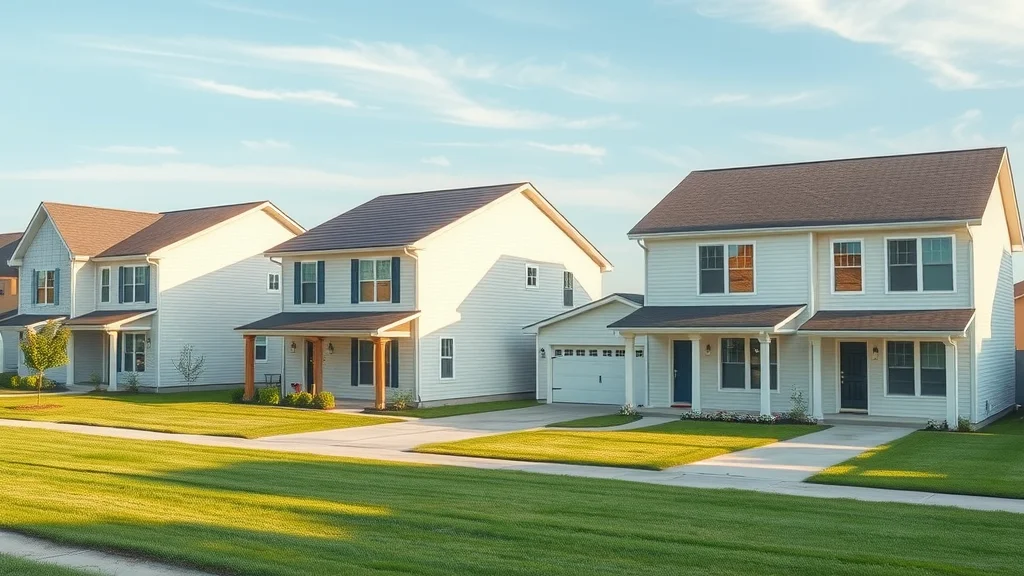
What You’ll Learn About Flat vs Sloped Roof Replacement
Before you make any decisions, it’s valuable to get the facts on all your options. In this comprehensive guide, you’ll discover:
- The fundamental differences between flat roof, pitched roof, and sloped roof types
- Key factors influencing the cost and longevity of roof replacement
- The pros and cons of flat roofs and sloped roofs for residential and commercial buildings
- How energy efficiency and roof style impact decisions
- Answers to common questions about roof inspection, roof deck, roof shingles, and more
Understanding Flat vs Sloped Roof Replacement Options
The roof of your property is more than just a cover—it’s a critical part of your building’s protection, style, and value. Choosing a flat or sloped roof replacement starts with understanding what each option brings to the table. Flat roofs are especially common in commercial buildings, while sloped or pitched roofs dominate in residential homes. However, advancements in roofing systems mean there’s more overlap—and more choices—than ever before. Here, we’ll define both styles, explore the materials used, and reveal what factors should guide your roofing decision.
The right roof replacement enhances your building’s energy efficiency, sheds water effectively, maximizes lifespan, and fits with your budget and maintenance preferences. As you’ll see, each style comes with unique pros and cons, and your final decision should balance immediate needs with long-term value.
Flat Roof Replacement: Features & Considerations
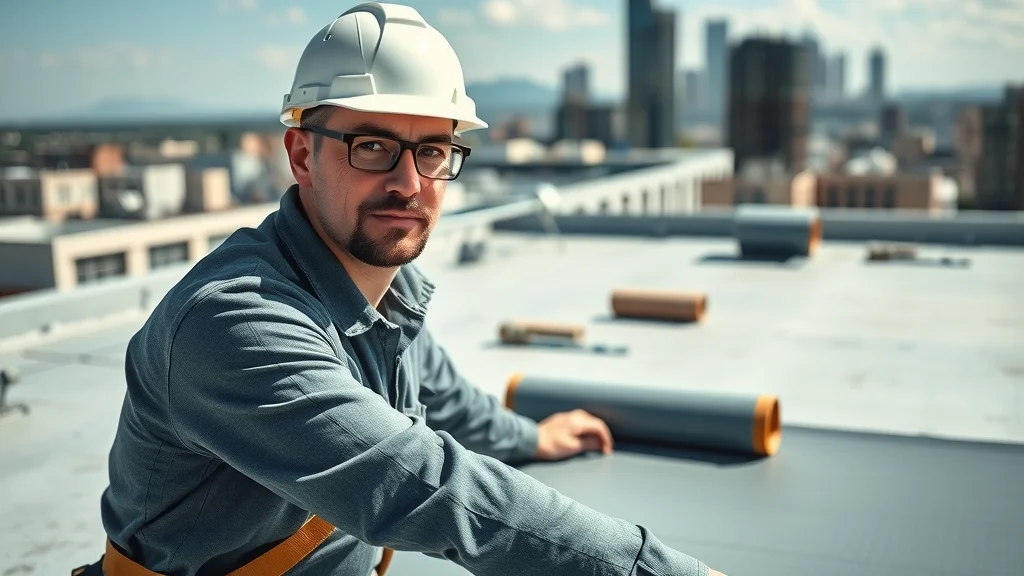
A flat roof replacement refers to re-roofing a surface with little to no slope—typically less than 10 degrees. This roof type is especially popular for commercial buildings because it’s easier to install equipment like HVAC units or solar panels, and allows for expanded usable space. Common materials for flat roofs include membranes like TPO roofing, EPDM rubber, and modified bitumen systems, as well as advanced coatings for further waterproofing.
The biggest benefits of flat roofs are their relatively low installation cost and ease of maintenance or repairs. Workers can access these surfaces more easily, keeping labor costs down. However, flat roofing is typically more vulnerable to leaks, especially if water pools due to drainage issues. Regular roof inspection and maintenance are crucial to extend their lifespan. For property owners considering green roofs or rooftop patios, a flat design offers flexibility that sloped roofs can’t match.
- Definition of flat roof replacement
- Common materials: membranes, coatings, and more
- Advantages for commercial buildings
Sloped Roof Replacement (Pitched Roof): Key Insights
A sloped roof replacement—often referred to as a pitched roof—features a roof deck angled much steeper than a flat roofing system, providing better drainage and snow shedding. This roof style is commonly seen on residential homes and in regions with heavy rainfall or snow. The classic aesthetic of a sloped roof often enhances curb appeal and increases property value.
Popular materials include asphalt shingles, metal panels, and clay or concrete tiles, each offering differing levels of durability and maintenance requirements. Sloped roofs are highly durable when properly maintained and typically last longer than flat roofing, making them a popular choice for homeowners. Their structure, however, is more complex to build, often leading to higher initial costs and longer installation times. In both commercial and residential contexts, a well-designed sloped or pitched roof system provides an excellent return on investment.
- What defines a sloped roof replacement
- Popular materials: asphalt shingles, metal, tiles
- Suitable applications in residential and commercial buildings
“The choice between flat and sloped roof replacement is often dictated by the building’s purpose, local climate, and long-term maintenance considerations.” — Brian Dawson, Roofing Expert
Comparative Table: Flat vs Sloped Roof Replacement
| Feature | Flat Roof Replacement | Sloped Roof Replacement |
|---|---|---|
| Installation Costs | Typically lower upfront due to simpler structure, less material needed | Higher due to complex framing and frequent use of premium materials |
| Longevity | 10–20 years depending on material and maintenance | 20–30+ years with high-quality materials and regular care |
| Maintenance | Easier access for roof repairs and inspection; more frequent care needed | Less frequent repairs; access more challenging |
| Energy Efficiency | Suited for reflective coatings and solar panels; prone to heat absorption without proper insulation | Better natural ventilation and insulation options |
| Best For | Commercial buildings, some modern residential homes | Residential homes, areas with heavy rain or snow |
Flat vs Sloped Roof Replacement: Pros and Cons
Pros and Cons of Flat Roofs
Flat roofs offer distinct advantages for both commercial buildings and contemporary residential homes. The initial installation cost of a flat roof is frequently lower than that of a sloped roof, making them an appealing choice for businesses and homeowners watching their budget. Ease of access means roof repair, maintenance, and installation of additional equipment like HVAC units or solar panels can be completed more simply and safely. Flat roofs can also be finished with reflective coatings, improving energy efficiency by reducing heat absorption during hot Missouri summers.
However, flat roofs have limitations. Their shorter lifespan—typically ranging from 10 to 20 years—means replacements might be needed more often. Water drainage is less effective, so flat roofs are more susceptible to pooling, leaks, and damage if not maintained vigilantly. For those considering a green or recreational roof deck, flat roofs still provide a strong platform, but consistent inspection is key to preventing costly roof repairs in the long run.
- Lower initial cost (often)
- Easier installation and maintenance access
- Energy efficiency advantages
- Shorter lifespan & vulnerability to water pooling

Pros and Cons of Sloped Roofs
Sloped roofs, also known as pitched roofs, are the dominant style in most residential neighborhoods, offering high curb appeal and efficient water drainage. Their design naturally sheds rain and snow, which reduces the risks of leaks, pooling, and related roof repairs. Sloped roofs also provide more ventilation options and support a wider array of roof shingles, tiles, and even metal panels, offering flexibility for your roofing system’s appearance and performance needs.
Despite their strengths, sloped roofs require a higher upfront investment due to their structural complexity and the increased volume of materials. The framing and installation process for pitched roofs typically takes longer than that of flat roofing, increasing labor costs. If you’re considering roof replacement on a commercial building, note that sloped designs are sometimes limited by zoning or architectural style. In summary, while sloped roofs demand more initially, their durability and lower maintenance needs may lead to greater savings over the life of your property.
- Better drainage & longer lifespan
- Greater material versatility (roof shingles, tiles, metal)
- Higher upfront cost
- More complex structural requirements
Cost Factors in Flat vs Sloped Roof Replacement
While flat vs sloped roof replacement debates often highlight installation price, true cost includes materials, labor, structural adaptation, and future repair needs. Understanding where your expenses will go ensures you pick the best solution for your budget as well as your property needs. Every detail, from roof deck construction to material choice, will play a part in your final price tag and the longevity of your investment.
Material selection—whether for membrane flat roofing, asphalt shingle roofs, or specialty tiles on a sloped surface—can shift your budget by thousands of dollars. Committing to quality materials and professional installation increases upfront spending but often pays off by reducing maintenance and prolonging the need for another roof replacement.
Material Costs: Flat Roof vs Pitched Roof
Flat roofs most commonly utilize membrane materials like TPO roof, EPDM, or PVC, which are generally less expensive than the slate, tile, or metal options available for pitched roofs. Yet, membrane systems may require specialized coatings or reinforcements, especially for commercial roof installation. Meanwhile, sloped roof installations—given their design—often make use of three-tab asphalt shingles (cost-effective and common for residential homes), architectural shingles (mid-range), or metal/tile (premium offerings). The additional requirement of underlayment and more complex roof deck framing can significantly influence material budgets for sloped and pitched roofs alike.
Beyond the purchase price, consider lifetime cost: flat roofing may need more frequent roof repairs and eventual replacement, while high-end shingle or tile roofs provide extended benefit for higher initial outlay.
Labor & Installation Complexity
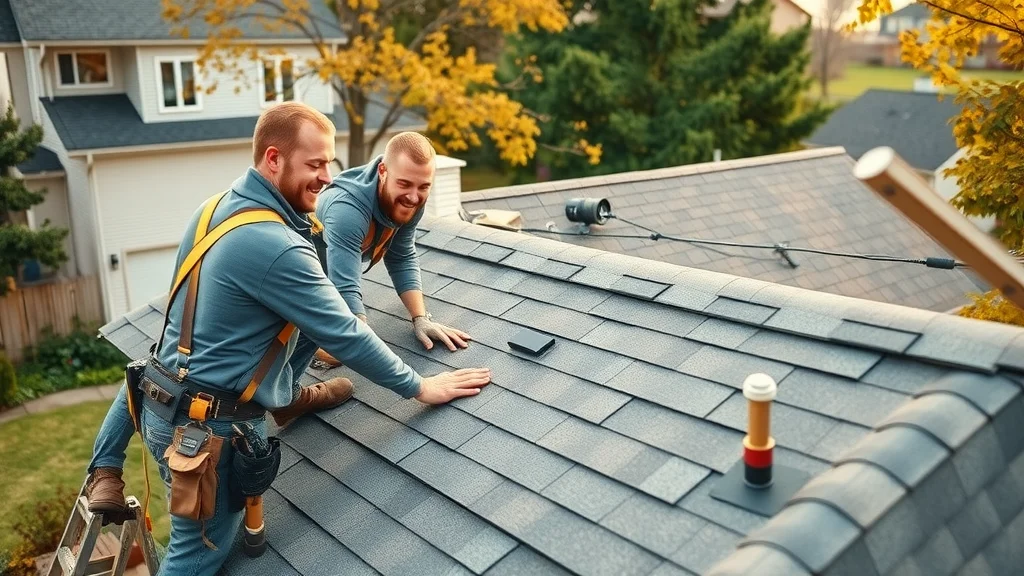
Installation labor varies substantially between flat and sloped roof replacement. Flat roof installations are generally faster—the easy-to-navigate surface and lighter materials (such as TPO or EPDM) allow teams to complete the job in less time, saving money on labor. On the other hand, installing a sloped or pitched roof can be more demanding. Proper safety precautions, use of scaffolding and ladders, and intricate work with shingles or tiles add weeks to the timeline and raise labor costs.
For commercial buildings where time equates to operational disruption, flat roofing’s quick turnaround is a major plus. Residential roof installations on homes with steeper or more complex architecture, however, necessitate skilled roofers and may call for structural reinforcements on the roof deck. Budget accordingly for the increased labor associated with your chosen roof style.
Roof Deck & Structural Considerations
Your choice of roof style affects more than aesthetics; it shapes the entire roofing structure. Flat roofs typically require a reinforced deck and dedicated drainage solutions, which can add to replacement costs if upgrades are needed. Their simple, level structure is generally less expensive up front, but can increase costs over time if drainage issues or leaks occur.
Pitched roofs almost always require additional framing and support, as they are designed to withstand heavier loads (such as snow accumulation in winter). The complex design introduces greater installation costs, but offers improved structural resilience and a longer service life. When discussing your roof replacement with a professional roofing company, review your existing roof deck and look for any signs of damage or rot that may require remediation prior to installation—repairs now can prevent failures later.
Roof Longevity and Maintenance: Flat Roofs vs Sloped Roofs
One of the main advantages of sloped roofs is their superior longevity. Asphalt shingle roofs can last 20–25 years, while metal or tile options can exceed 30 years with routine roof inspection and minimal major repairs. Their steeper pitch allows rain, ice, and debris to slide off, decreasing the risk of water pooling and extending the life of the roofing system. That said, periodic checks for missing or damaged roof shingles, nail pops, or algae growth are essential to keep sloped roofs performing at their best.
Flat roofs, meanwhile, generally require more frequent inspection and replacement—plan for a new flat roof every 10–20 years depending on material, weather exposure, and maintenance regularity. The biggest threats are water ponding, seam separation, and damage from rooftop equipment. Scheduling professional inspections at least twice a year for both flat and sloped roofs—especially after storms—is the most cost-effective preventative approach, giving you time to address small repairs before they escalate.
- How roof inspection schedules differ
- Common issues with flat roofs (ponding, leaks) vs sloped roofs (shingle damage, algae)
- Importance of regular maintenance for both roof styles
Energy Efficiency and Climate Considerations in Flat vs Sloped Roof Replacement
In Missouri’s climate—where summer heat is followed by winter storms—energy efficiency and weather durability are top priorities when replacing your roof. The role of roof style is significant; flat roofs, with the proper insulation and white cool roof coatings, can reflect heat and reduce AC costs. Meanwhile, sloped and pitched roofs offer natural ventilation channels and attic space, improving insulation during both hot and cold months.
Local climate is a key deciding factor. In St Charles County, Warren County, and Lincoln County, areas prone to storms and heavy rainfall often see sloped roof designs thrive due to efficient water and snow runoff. For commercial buildings looking for energy savings and rooftop space, a flat roof replacement with high-reflective materials is often the best option. Ultimately, the right solution pairs the best materials for your roof type with proven installation by a reputable roofing contractor to ensure maximum building performance.
- The role of roof style in energy efficiency
- How local climate affects the durability and efficiency of flat and sloped roofs
- Best choices for commercial buildings and residential homes in St Charles County MO, Warren County MO, and Lincoln County MO
Choosing the Right Roof: Making a Flat vs Sloped Roof Replacement Decision
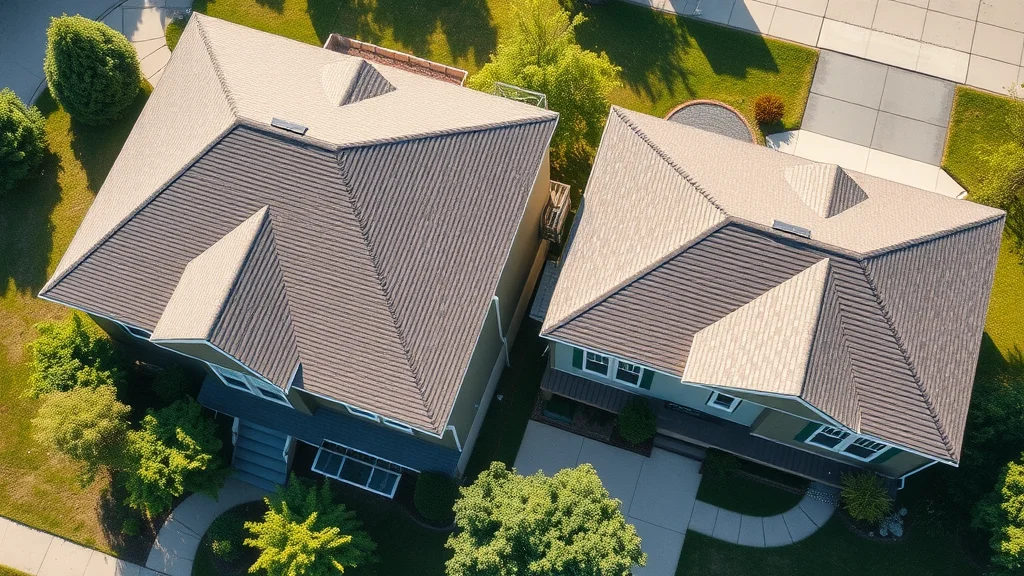
Choosing the right roof replacement boils down to your individual priorities and property needs. Key factors include your available budget, whether the property is a commercial building or residential home, local zoning laws and building codes, and your personal taste for curb appeal. Flat roof replacement is ideal for commercial properties needing rooftop access, or modern homes with a minimalist aesthetic. Meanwhile, sloped or pitched roof replacement remains the standard in most neighborhoods for its proven durability, versatility in roofing materials, and classic appearance.
Discuss your goals with a trusted roofing company that serves St Charles County, Warren County, and Lincoln County, MO. Review all cost considerations—including installation, maintenance, and expected lifespan—before signing off on the project. Most importantly, consider how each roofing system aligns with your long-term plans for the property: will you expand, add solar panels, or require the lowest possible maintenance in future years?
- Key factors: budget, property type, local building codes, aesthetics
- When to choose a flat roof replacement for your commercial building
- When sloped or pitched roof replacement is the better option
“Every property is unique—choosing the right roof replacement starts with understanding your long-term goals and ongoing maintenance expectations.” — Brian Dawson, Roofing Consultant
People Also Ask: Flat vs Sloped Roof Replacement
Is a flat roof or sloped roof better for heavy rainfall?
- Sloped roofs generally perform better in heavy rainfall due to improved drainage compared to flat roofs.
How often should a flat roof be replaced compared to a sloped roof?
- Flat roofs typically require replacement every 10–20 years, while sloped roofs can last 20–30 years or more depending on materials and maintenance.
Which roof style is more energy efficient – flat or sloped?
- Both flat and sloped roofs can be energy efficient if properly insulated; however, sloped roofs may offer better ventilation options.
Are flat roofs cheaper to install than sloped roofs?
- Flat roofs usually have lower installation costs, but may require more frequent maintenance than sloped roofs.
FAQs: Flat vs Sloped Roof Replacement
- What is the average cost difference between flat and sloped roof replacement?
Flat roofs often cost less initially but require more frequent replacement. Sloped roofs, especially with premium materials, can exceed flat roof costs but tend to last much longer, balancing out the investment over time. - Can you convert a flat roof to a sloped roof?
While possible, converting a flat roof to a sloped or pitched roof is a major project involving structural changes and significant cost. It’s best handled by a specialized roofing contractor for safety and compliance. - Are there eco-friendly roofing options for both roof styles?
Yes. TPO roofing, cool roof coatings, recycled-content shingles, and green roof systems are available for both flat and sloped applications. Discuss these options with your installer for the best fit. - Are flat roofs suitable for residential homes?
Modern architecture increasingly uses flat roofs on residential homes, although they require diligent maintenance. Consult with your roofing company to assess if it’s right for your property style and local climate. - How long does a typical roof replacement take?
Flat roof installation may take a few days for average-sized commercial buildings, while sloped roof replacement on a residential home typically ranges from several days to a week based on complexity and weather.

Key Takeaways on Flat vs Sloped Roof Replacement
- Sloped roofs tend to have higher upfront costs but longer lifespans
- Flat roofs are easier to maintain but may require more frequent replacement
- Energy efficiency depends on materials and insulation, not just roof style
- Both roof replacements have pros and cons for commercial and residential buildings
Ready to Decide Between Flat vs Sloped Roof Replacement?
- Call us at (636) 733-6435 to schedule a professional roof inspection or get a quote on your next roof replacement project in St Charles County MO, Warren County MO, or Lincoln County MO.
When considering a roof replacement, understanding the differences between flat and sloped roofs is crucial for making an informed decision. The article “Flat Roof vs Sloped Roof: Choosing the Best Option for a Home” provides a comprehensive comparison, detailing aspects such as cost, maintenance, and suitability for various climates. Additionally, “Sloped Roofs vs. Flat Roofs – Which Are Better?” offers insights into the advantages and disadvantages of each roof type, helping homeowners assess which option aligns best with their needs. If you’re evaluating the most cost-effective and practical roofing solution, these resources will equip you with the necessary information to make a well-informed choice.